Materials
Invisible defence
Paint Protection Film (PPF) Vancouver
Paint protection film, commonly called PPF, adds a transparent or satin sacrificial layer over a vehicle’s finish. Vancouver and Metro Vancouver drivers can select focused front-end coverage or full-body protection according to road exposure, appearance, and ownership plans.
Request a quoteInstallation takes place by appointment at our Richmond, BC shop, serving Vancouver and Metro Vancouver.
Built around your vehicle
Planning and preparation for a consistent result.
PPF is a durable urethane film intended to help reduce stone chips, road-debris damage, staining, and everyday surface wear. Full-front coverage concentrates on the bumper, hood, front fenders, and mirrors, while full-body PPF extends across every painted panel. Black Label offers STEK and UPPF clear PPF, with gloss, matte and satin finishes where applicable and available.
PPF coverage
Compare four ways to protect your paint.
Choose coverage first. Clear, matte, and satin appearance options are discussed separately where available.
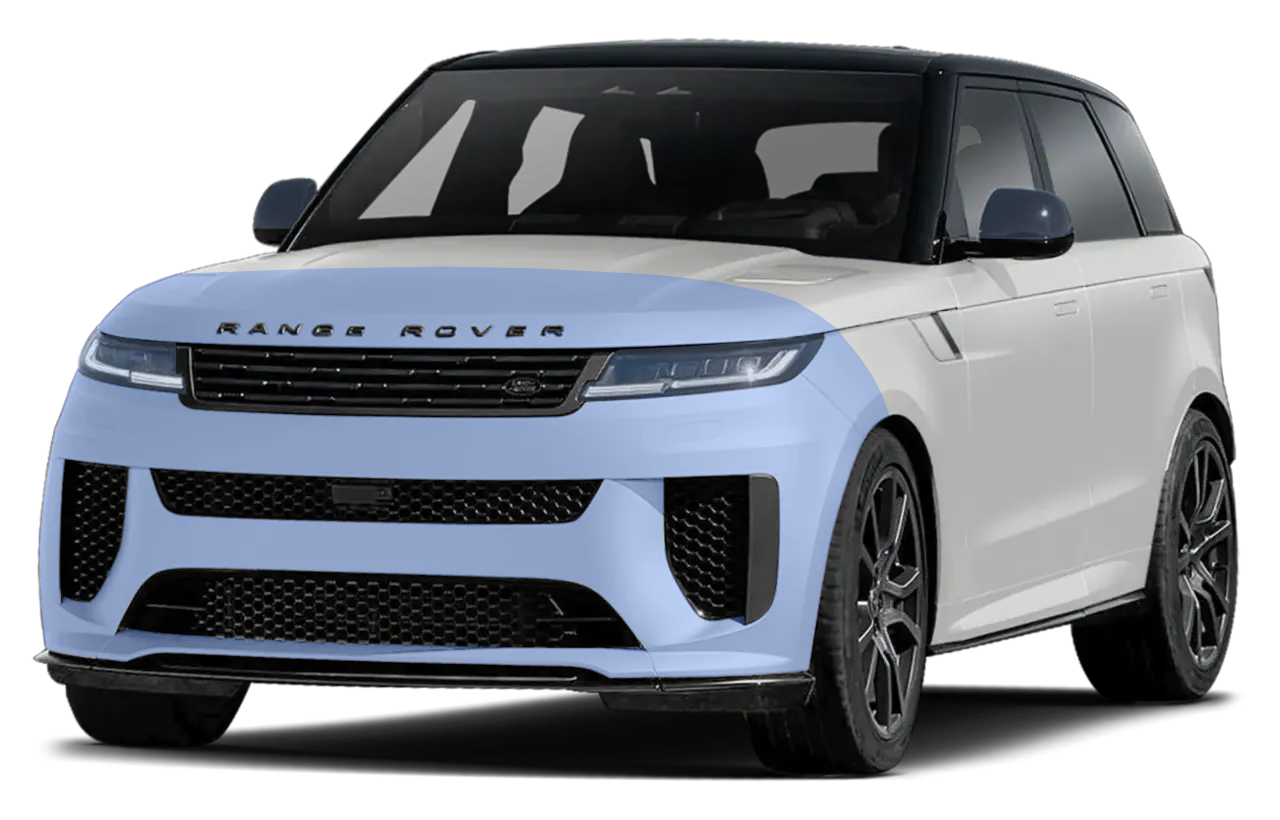
Selected coverage
Partial Front PPF
Starting at $999 + tax
We protect the leading surfaces most exposed to road debris with focused coverage across the front of your vehicle.
Included panels
- Full front bumper
- Leading portion of the hood
- Partial front fenders
- Mirror caps and headlights
Not included
The complete hood, complete front fenders, doors, roof, rocker panels and rear bodywork are not included.
Request this packagePrices are starting points. Vehicle size, body complexity, paint condition, film selection, preparation, and custom coverage can change the final quote.
Request a PPF quote
Choose coverage, then tell us about the vehicle.
Send the year, make and model, selected package, finish preference, paint condition and preferred timing. We confirm the final scope before scheduling.
- Approved package starting prices shown above
- Clear, satin and matte options where available
- Installation by appointment
STEK PPF / Vancouver and Metro Vancouver
Compare STEK on completed vehicles.
Looking for a STEK PPF installer serving Vancouver? We install STEK and UPPF at our Richmond studio. Compare clear gloss protection with a matte result, then choose coverage for your vehicle.
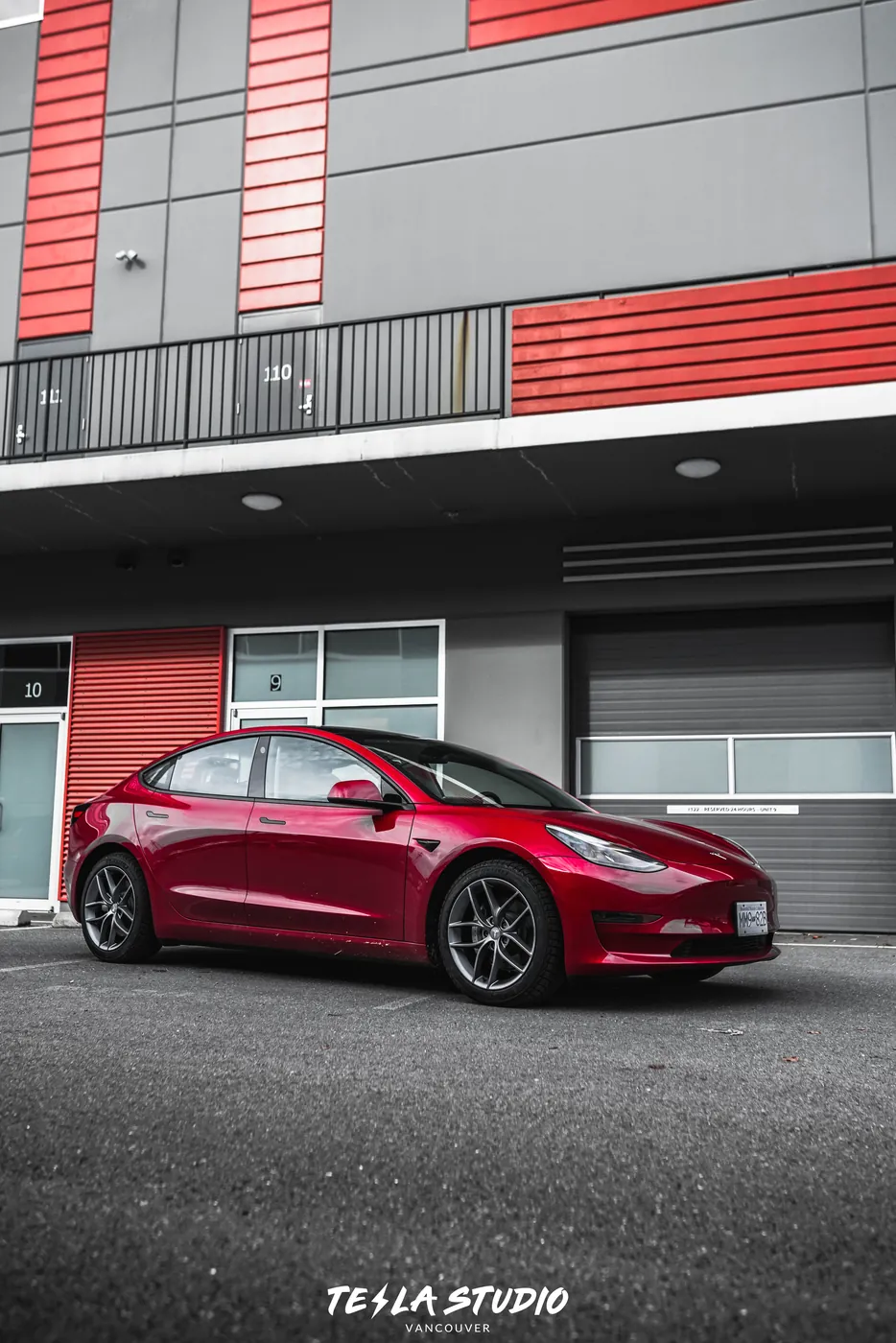
Tesla Model S
STEK DYNO Gloss PPF
Full-body STEK DYNO gloss paint protection film adds clear protection across this black Tesla Model S while preserving its existing paint and gloss.
View the installation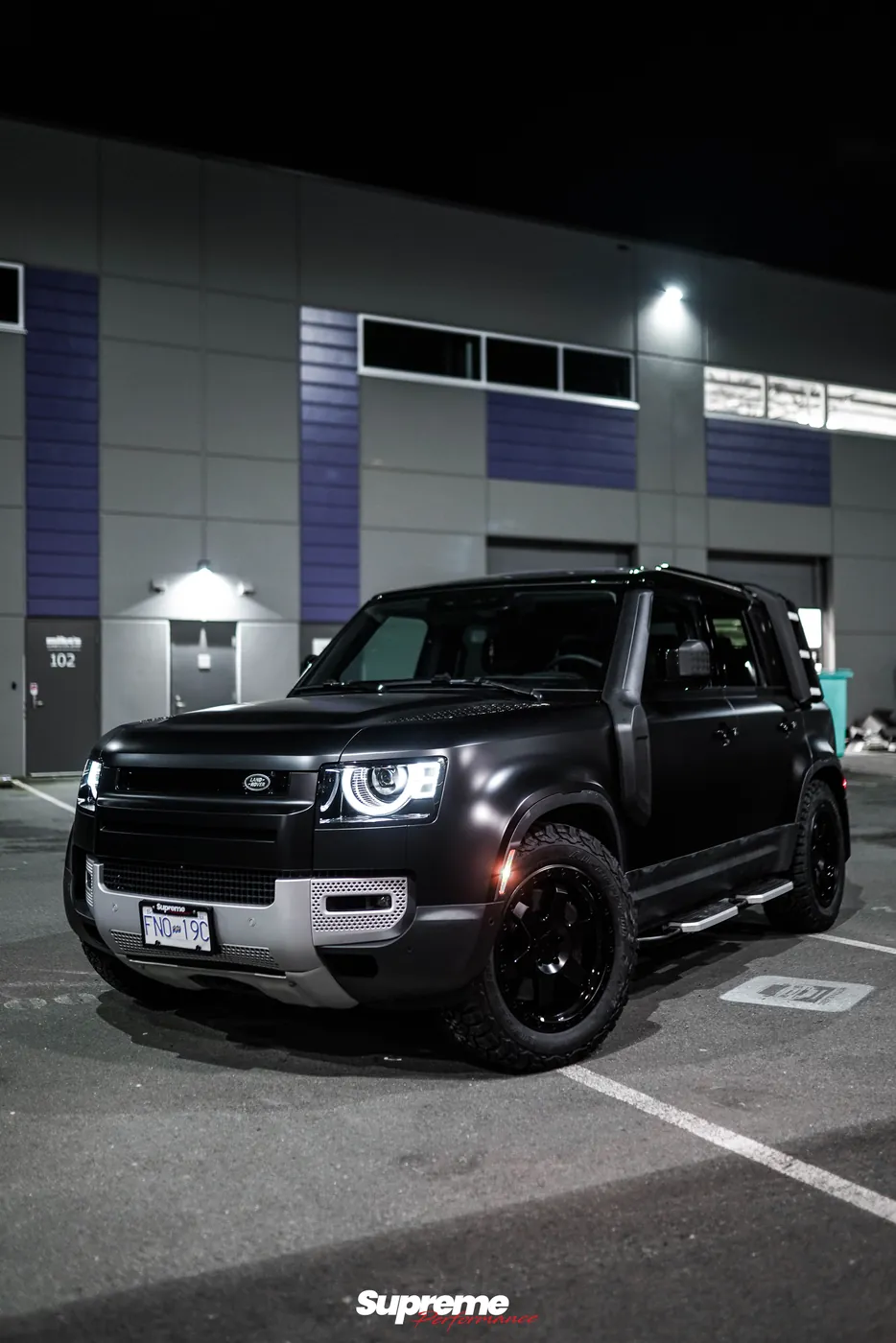
Land Rover Defender 110
STEK DynoMatte
Full-body STEK DynoMatte PPF gives the Defender 110 a restrained satin finish while adding a sacrificial protective surface.
View the installation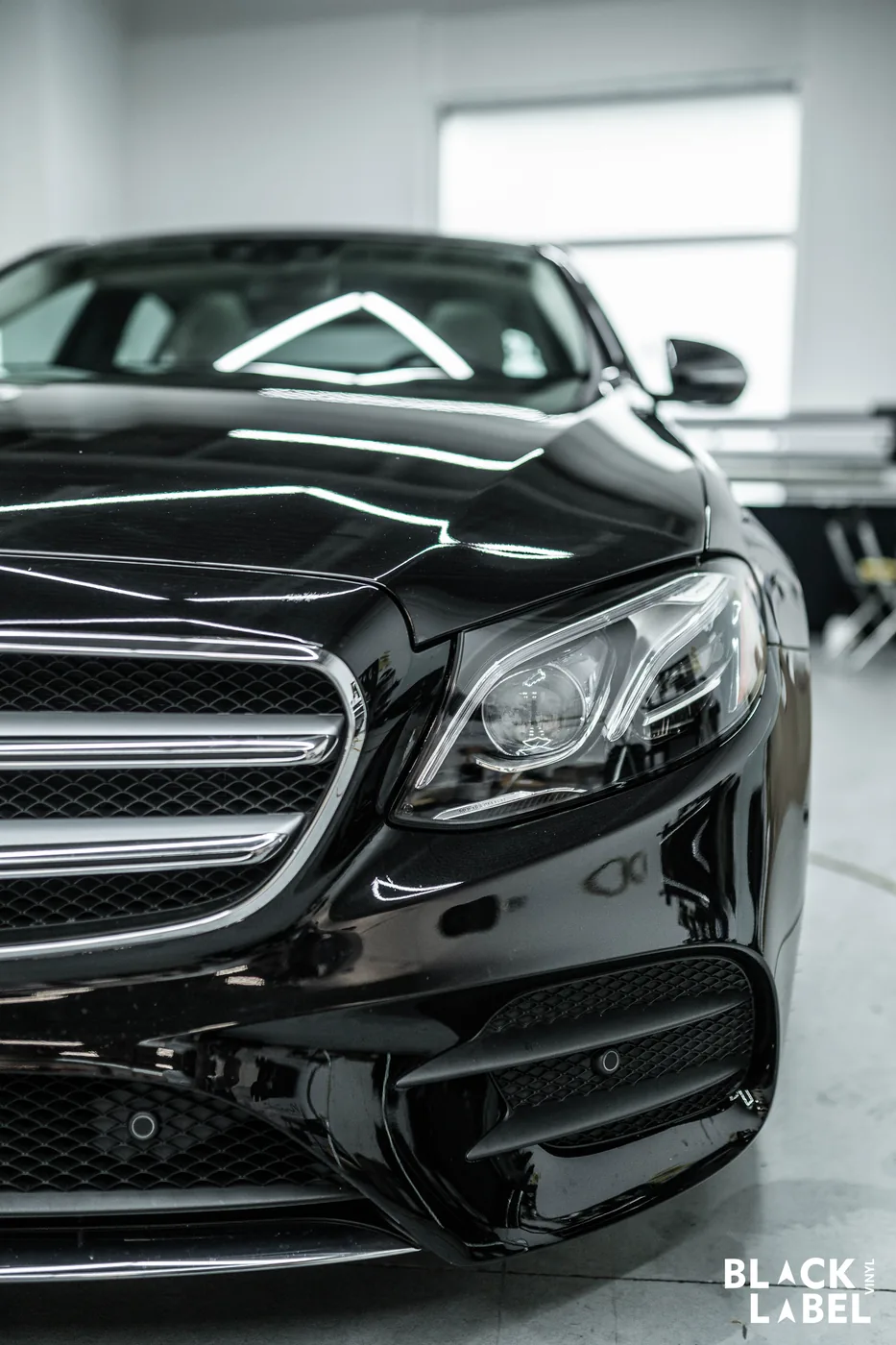
Mercedes-Benz E450
STEK Dyno PPF
A complete STEK paint protection film installation adds a clear sacrificial layer across the Mercedes E450 without changing its gloss appearance.
View the installationChoosing a STEK film
For a DYNOshield enquiry, tell us whether you want to preserve a gloss finish or prefer a matte appearance. We confirm the exact product, availability and manufacturer warranty with the quote. Coverage and paint preparation are quoted for your vehicle.
Request STEK PPF pricingPlanning your project
What affects a PPF quote in Vancouver?
A useful PPF quote starts with your vehicle and the panels you want covered. Full-front and full-body projects use different amounts of film and installation time. Body shape, film choice, paint condition and any preparation required also affect the final scope.
Send the year, make and model, your preferred coverage and whether you want a clear, satin or matte finish. Tell us about existing chips, repainted panels or older film. We inspect the surface before installation because a protective layer does not repair damage underneath it.
Request a PPF quotePlanning your project
Compare the warranty as well as the film.
Black Label’s two-year craftsmanship warranty is separate from the film manufacturer’s coverage. Material terms depend on the selected product. Review both when choosing your film so you understand which terms apply to the installation and which apply to the material.
Typical installation
Approximately 4–5 business days for full-vehicle projects
Warranty
2-year workmanship warranty
5 / 7 / 10 years depending on the film selected
Recent installations
See how this service looks on real vehicles.
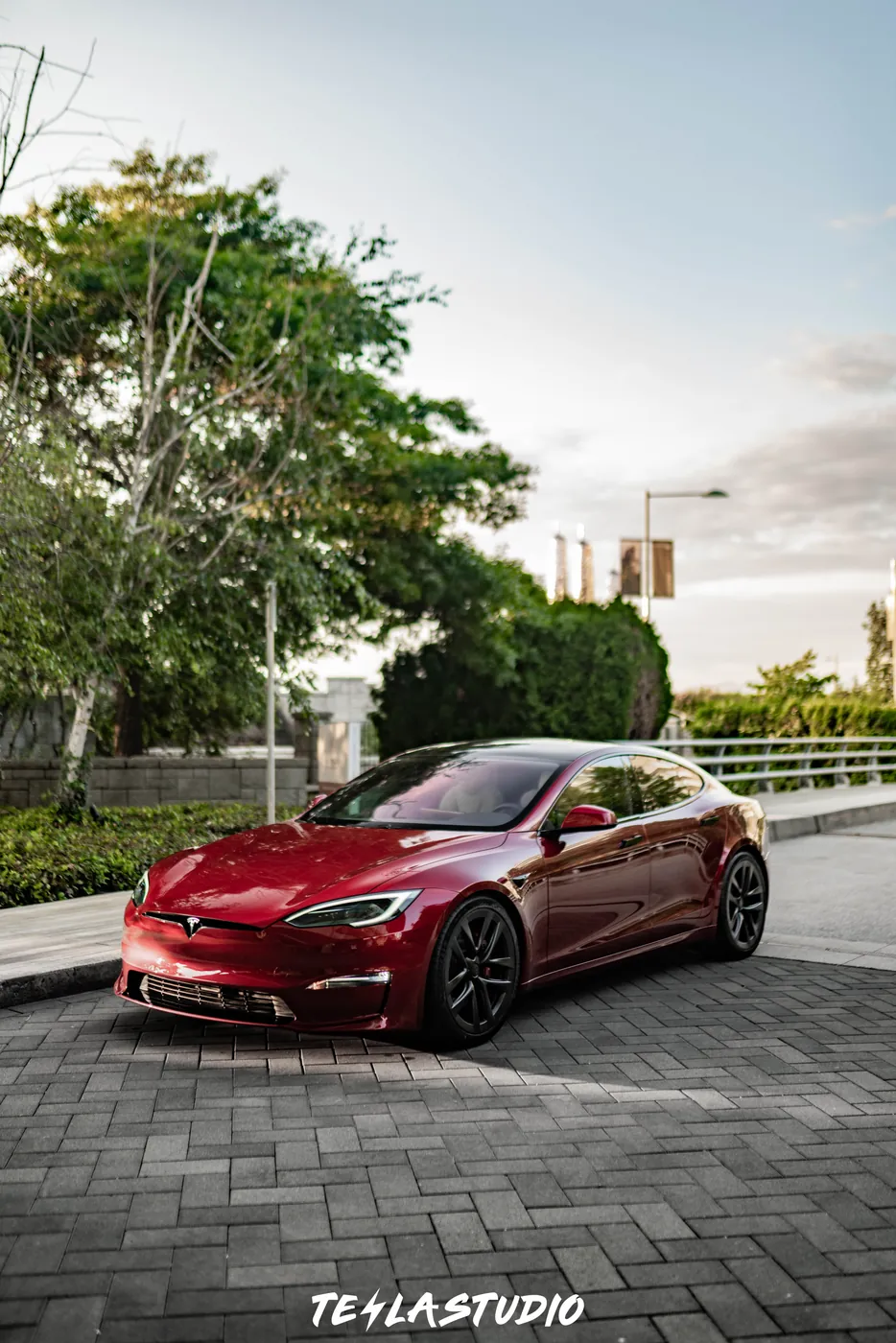
Tesla Model S
UPPF Nano Gloss Model S
UPPF Nano Gloss PPF
Full-body paint protection film
We installed UPPF Nano Gloss paint protection film on this red Tesla Model S, preserving its gloss appearance with full-body coverage.
View the UPPF Nano Gloss Model S installationLand Rover Defender 110
DynoMatte Defender 110
STEK DynoMatte
Full-body paint protection film
Full-body STEK DynoMatte PPF gives the Defender 110 a restrained satin finish while adding a sacrificial protective surface.
View the DynoMatte Defender 110 installation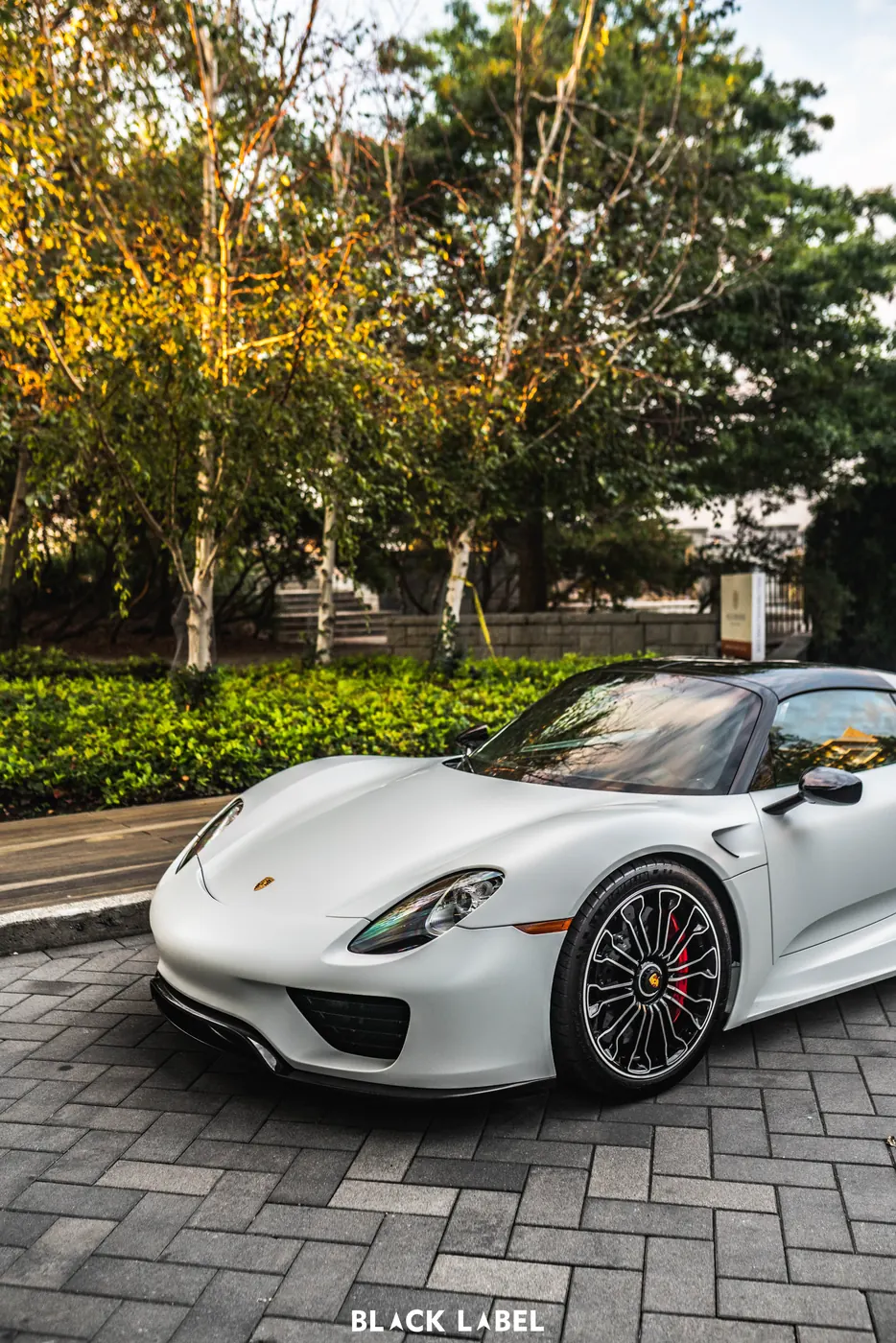
Porsche 918 Spyder
Satin Guard Porsche 918
Satin Guard PPF
Full-body paint protection film
Satin paint protection applied with precision around the complex surfaces of the Porsche 918 Spyder.
View the Satin Guard Porsche 918 installationContinue your research
Related service information.
Good to know
Paint Protection Film questions.
Does the paint need correction before PPF?
PPF does not conceal stone chips, scratches, sanding marks, or previous repair defects. The paint is inspected and thoroughly prepared first. If correction or repair would materially improve the finished result, that work is discussed before the film is installed.
What is the difference between full-front and full-body PPF?
Full-front coverage protects the bumper, hood, front fenders, and mirrors that commonly receive the most road debris. Full-body coverage extends the sacrificial layer across every painted panel and creates a consistent surface finish.
Is paint protection film worth the cost?
PPF can be worth considering when preserving original paint, reducing stone-chip exposure, or maintaining a consistent finish is important. The value depends on the vehicle, driving conditions, intended ownership period, selected coverage, and budget, so full-front and full-body options should be compared before deciding.
How long does a full PPF installation take?
A full-vehicle PPF project generally requires four to five business days. Coverage, vehicle complexity, paint condition, previous repairs, and film choice can affect timing.
Can PPF change the appearance?
Clear gloss film retains the existing appearance, while satin or matte PPF can soften reflections and change the surface sheen without repainting.
How long does PPF last?
Service life depends on the selected film, environmental exposure, maintenance, and vehicle use. Manufacturer coverage is 5, 7 or 10 years depending on the selected film; product-specific terms and aftercare are reviewed during the consultation.
Your next project